

District 12
Consist of Toa Payoh and Balestier
Toa Payoh & surrounding – places of interest
Toa Payoh is a planning area and residential town located in the central region of Singapore. The name Toa Payoh means “big swamp” in Hokkien. The town is known for its mature estate and has a mix of both public and private housing. One of the main landmarks in Toa Payoh is Toa Payoh Central, which is a large shopping mall that offers a variety of shops and services. The mall is also home to the Toa Payoh Public Library, which is one of the largest libraries in Singapore. Another notable attraction in Toa Payoh is the Toa Payoh Town Park, which is a large park that features a playground, a fitness corner, and a pond with a fountain. The park is a popular spot for residents to relax and exercise. Toa Payoh also has several religious sites, including the Church of the Nativity of the Blessed Virgin Mary, which is a Catholic Church, and the Toa Payoh West Community Club. Overall, Toa Payoh is a well-established town that offers a mix of urban conveniences and a peaceful living environment. With its good transportation network, shopping and leisure amenities, it is a popular destination for both locals and expats.
Toa Payoh at a Glance
Toa Payoh is one of Singapore’s earliest planned satellite towns, and that maturity shows in its layout, amenities, and strong community life. It sits almost perfectly in the centre of the island, making it highly practical while still retaining a distinctly residential character.
This is a town designed for living, not just passing through.
🏘️ Urban Layout & Housing
Public Housing
- Large concentration of older but well-maintained HDB flats
- Many blocks have undergone upgrading
- Flats are typically spacious compared to newer towns
- Strong multi-generation presence: seniors, families, young couples
Private Housing
- Low- to mid-rise condominiums along the town’s edges
- Quiet landed enclaves nearby (especially toward Braddell and Thomson)
Overall Feel
- Dense but organised
- Lively during the day, calm at night
- Strong “neighbourhood familiarity” vibe
🛍️ Toa Payoh Central & Daily Life
Toa Payoh Central
- Heart of the town
- Cluster of:
- Shops
- Banks
- Clinics
- Eateries
- Designed for daily errands rather than luxury shopping
Library & Civic Life
- One of Singapore’s largest public libraries
- Well-used by:
- Students
- Seniors
- Families
- Strong presence of community clubs and activity centres
This area feels functional, social, and very local.
🍜 Food Culture
Toa Payoh is considered a food town by locals.
Hawker & Coffee Shop Scene
- Long-standing hawker centres with classic local dishes
- Traditional breakfast culture (kopi, toast, noodles)
- Evening dinner crowds reflect real residential life, not tourism
Dining Style
- Affordable
- No-frills
- Generational recipes
- Strong sense of familiarity
Food here is about comfort and routine, not trends.
🌳 Parks & Green Spaces
Toa Payoh Town Park
- Central green lung
- Features:
- Walking paths
- Fitness corners
- Open lawns
- Pond with iconic fountain
- Popular for:
- Morning tai chi
- Evening strolls
- Family time
Surrounding Greenery
- Smaller neighbourhood parks spread across the town
- Easy access to nearby Bishan and Thomson green corridors
Green spaces are woven naturally into daily life.
🛐 Religious & Cultural Sites
- Long-established churches, temples, and mosques
- Places of worship are active and community-oriented
- Festivals and religious events are part of town life, not spectacles
This contributes to Toa Payoh’s deep-rooted, lived-in culture.
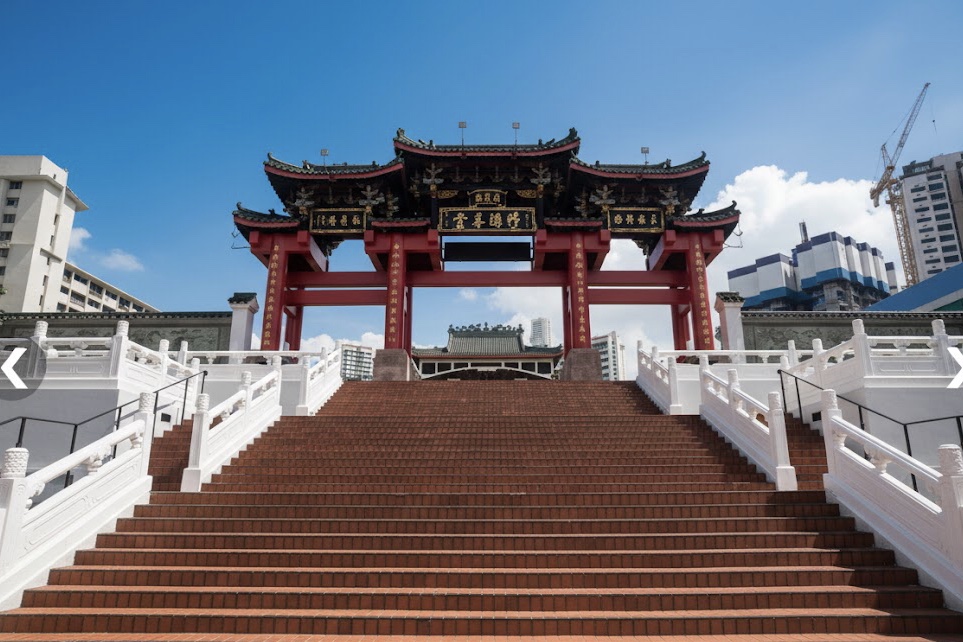
Seu Teck Sean Tong Temple
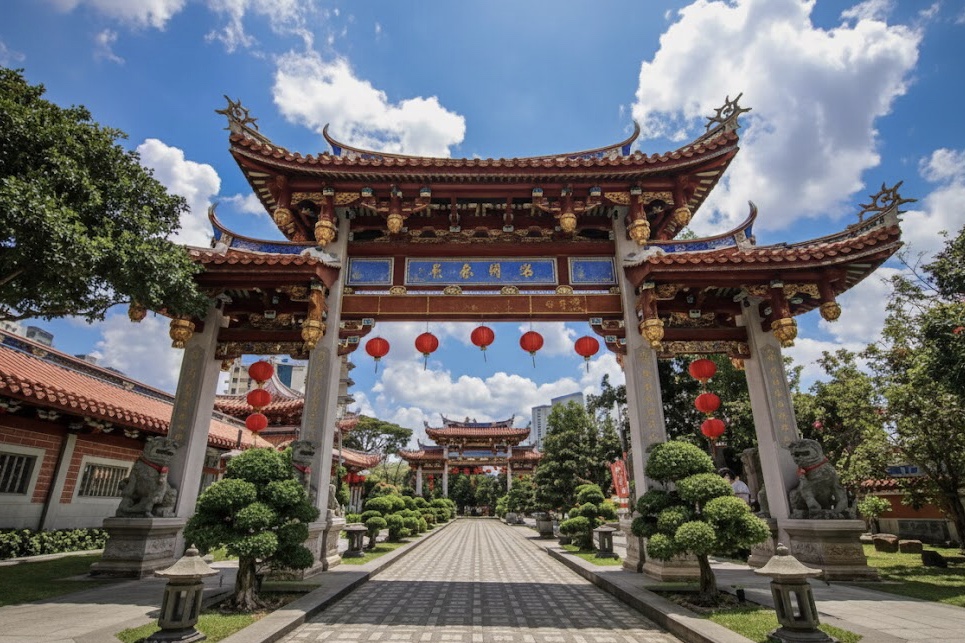
Lian Shan Shuang Lin Monastery
🚇 Connectivity & Transport
MRT
- Toa Payoh MRT Station on the North–South Line
- Direct access to:
- Orchard
- City Hall
- CBD
Road Access
- Close to:
- CTE
- PIE
- Thomson Road
- Easy car commute in all directions
Transport is one of Toa Payoh’s strongest advantages.
🧭 Surrounding Neighbourhoods
Bishan
- Slightly more modern
- Larger parks and sports facilities
- Good schools nearby
Novena
- Medical and commercial hub
- Shopping malls and hospitals
- More transient population
Thomson
- Greener, quieter
- More private housing
- Nature access
Toa Payoh sits comfortably between urban convenience and residential calm.
🧑👩👧 Who Toa Payoh Is Best For
- Families
- Seniors
- Professionals who value centrality
- Long-term residents
- Expats seeking authentic local living
It is not flashy, but deeply practical and dependable.
🌟 What Makes Toa Payoh Special
- Strong community identity
- Mature infrastructure
- Central location
- Food culture
- Walkability
- Sense of history without feeling outdated
Toa Payoh feels like a real Singapore town, not a curated experience.
Here is a thoughtfully paced, “day-in-the-life” itinerary for Toa Payoh, designed to feel like how residents actually experience the town — not rushed, not touristy.
🌅 Morning (7:00 – 10:00 AM)
Local Rhythm & Green Spaces
7:00 AM – Morning Walk at Toa Payoh Town Park
Start the day like a local:
- Stroll around the park’s walking paths
- Watch seniors doing tai chi and residents jogging
- Enjoy the quiet, breezy atmosphere near the pond and fountain
This is when Toa Payoh feels calm, communal, and alive.
8:15 AM – Traditional Breakfast at a Coffee Shop
Head to a nearby kopitiam:
- Kaya toast with soft-boiled eggs
- Kopi or teh
- Alternatively: noodles or chee cheong fun
This is everyday Toa Payoh — simple, unpretentious, satisfying.
9:00 AM – Errands at Toa Payoh Central
- Visit the wet market or provision shops
- Pop into the post office or pharmacy
- Browse neighbourhood bakeries
You’ll notice how walkable and self-contained the town is.
☀️ Late Morning (10:00 AM – 12:30 PM)
Community & Culture
10:00 AM – Toa Payoh Public Library
- Read newspapers
- Browse local history books
- Quiet work or people-watching
The library is a hub for all ages and reflects the town’s intellectual side.
11:30 AM – Neighbourhood Exploration
- Walk through residential blocks
- Observe playgrounds, fitness corners, and void decks
- Feel the lived-in atmosphere that defines mature estates
🍜 Lunch (12:30 – 2:00 PM)
Comfort Food & Local Flavours
12:30 PM – Lunch at a Hawker Centre
Choose classics such as:
- Chicken rice
- Fish soup
- Laksa or char kway teow
This is where generations eat together — office workers, retirees, families.
1:30 PM – Dessert & Coffee
- Ice kacang or chendol
- Kopi or teh at a quiet corner stall
Unhurried, social, familiar.
🌤️ Afternoon (2:00 – 5:30 PM)
Rest & Leisure
2:00 PM – Midday Rest or Home Time
Toa Payoh afternoons are slow:
- Head home for a nap
- Enjoy quiet reading time
- Escape the heat like locals do
4:00 PM – Casual Walk or Exercise
- Light jogging at neighbourhood parks
- Outdoor fitness corners
- Playground time for families
The town re-awakens gently.
🌆 Evening (5:30 – 8:30 PM)
Neighbourhood Energy
5:30 PM – Dinner at Coffee Shops
Evening dining options include:
- Zi char (stir-fry dishes)
- Claypot rice
- Economic rice
This is peak community time — conversations, laughter, familiar faces.
7:00 PM – Evening Walk
- Stroll around the estate
- Enjoy cooler temperatures
- Observe families, kids cycling, seniors chatting
Toa Payoh feels warm and social at night.
🌙 Night (8:30 – 10:00 PM)
Wind-Down & Routine
8:30 PM – Supper or Tea
- Light snacks or herbal tea
- Quiet moments at home or downstairs
9:30 PM – Night Calm
- The estate quiets down
- Peaceful, safe, residential atmosphere
This is where Toa Payoh truly shines — dependable, comforting, lived-in.
🧭 What This Day Shows About Toa Payoh
- Strong community spirit
- Everyday convenience
- Balanced pace of life
- Mature, stable living
- Central yet not hectic
Toa Payoh isn’t about spectacle — it’s about belonging.
Balestier & surrounding – places of interest
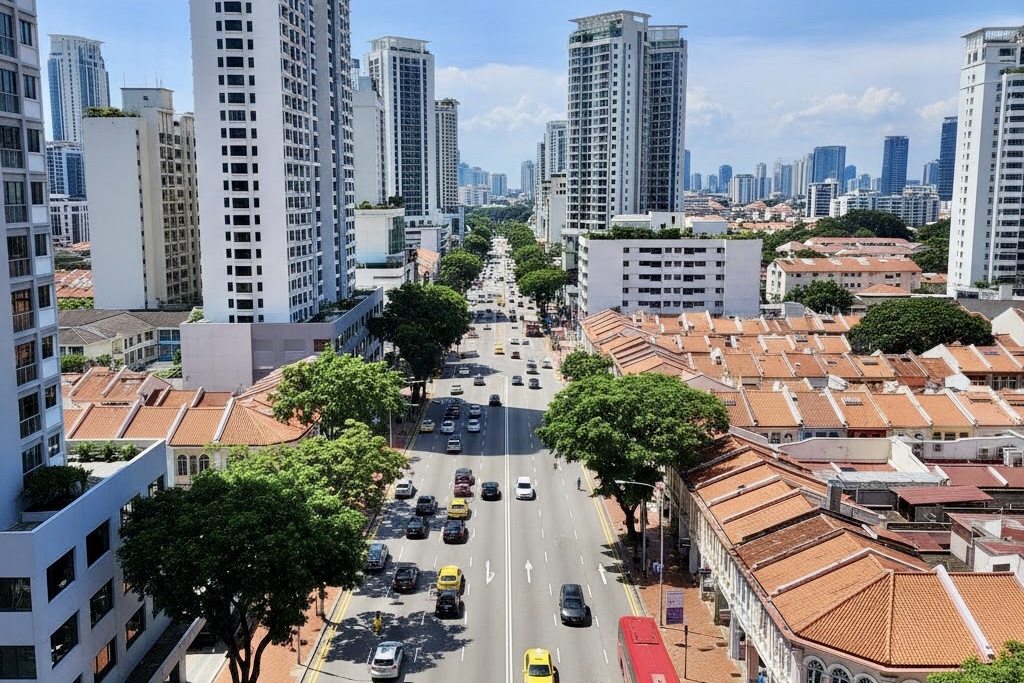
Balestier is a neighborhood located in the central region and is known for its rich cultural heritage and history, with many pre-war shophouses and heritage buildings still standing today. The area is also home to a number of popular hawker centers, such as the Whampoa Food Centre. One of the main attractions in Balestier is the Sun Yat Sen Nanyang Memorial Hall, a museum dedicated to the Chinese revolutionary leader and founding father of the Republic of China, Sun Yat Sen. The museum showcases the life and legacy of Sun Yat Sen, as well as the history of the Chinese community in Singapore. Another popular attraction in Balestier is the Zhongshan Mall, a shopping center that offers a wide range of products, including fashion, electronics, and home goods. The mall is also known for its food court, which features a variety of local and international cuisines. Overall, Balestier is a vibrant neighborhood that offers a unique blend of heritage and modernity, making it a great place to explore for visitors and residents alike.
Location & Urban Context
Balestier sits just north of the city core, bordered by Novena, Toa Payoh, and Whampoa. It stretches mainly along Balestier Road, one of Singapore’s older arterial roads, historically linking town areas to the north. Because of this, Balestier feels older, denser, and more lived-in compared to newer estates.
It is well connected by buses and nearby MRT stations (Novena and Toa Payoh), yet retains a distinct identity separate from the Orchard–CBD belt.
🏛️ Architectural Character & Streetscape
Balestier is best known for its pre-war shophouses:
- Narrow two- to three-storey buildings
- Decorative facades with Chinese and Straits-influenced motifs
- Ground floors used for shops, eateries, and workshops
- Upper floors still housing families and long-time residents
Interspersed among these are:
- Mid-rise private apartments
- Older walk-up flats
- Conservation buildings and clan associations
This mix creates a layered streetscape where heritage, commerce, and everyday life coexist.
🧭 Cultural & Historical Significance
Sun Yat Sen Nanyang Memorial Hall
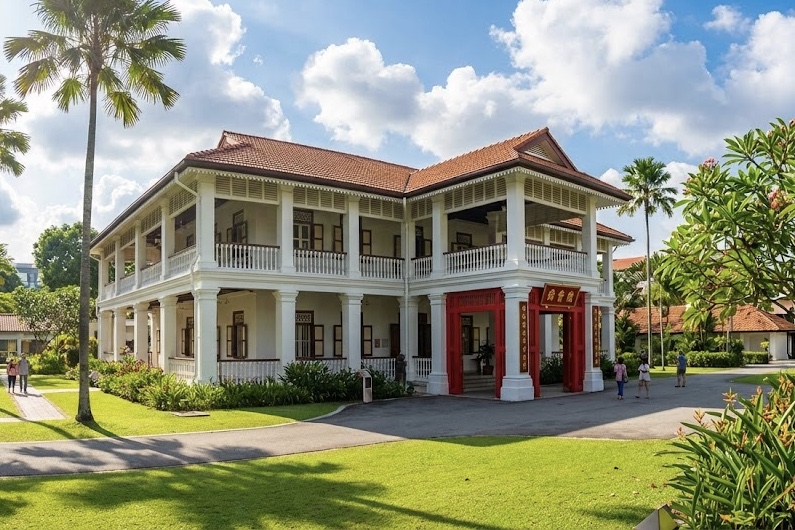
Located within a quiet residential enclave:
- A preserved colonial villa surrounded by gardens
- Historically significant as a meeting point for Chinese revolutionaries
- Offers insight into early Chinese migration and political movements
The area around the memorial is notably calmer and greener, contrasting with busier Balestier Road.
🍜 Food Culture & Daily Life
Food defines Balestier’s identity.
Hawker Centres & Local Food
- Whampoa Food Centre nearby draws residents daily
- Traditional stalls serving fish soup, porridge, noodles, and kopi
- Many family-run businesses operating for decades
Famous Balestier Specialties
- Bak kut teh
- Traditional bakeries
- Late-night eateries
Food outlets open early and close late, giving Balestier a constantly active street life.
🛍️ Retail & Amenities
Zhongshan Mall
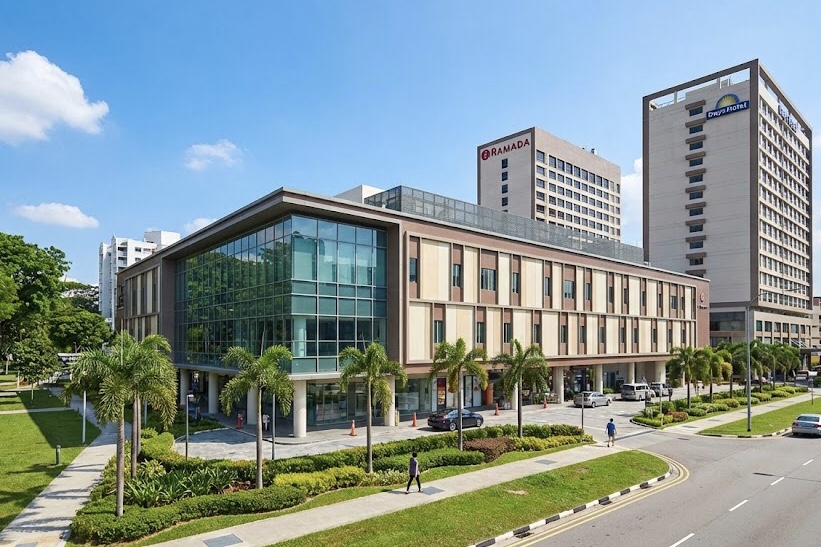
A modern counterpoint to the older streets:
- Supermarkets, clinics, enrichment centres
- Casual dining and cafes
- Family-friendly layout
Street-Level Shops
- Hardware stores
- Furniture shops
- Electrical repair shops
- Traditional medicine halls
These everyday services make Balestier self-sufficient for residents.
🌳 Green Spaces & Community Areas
While not park-heavy, Balestier benefits from:
- Nearby Whampoa and Toa Payoh parks
- Tree-lined side streets
- Small neighbourhood playgrounds
Community life spills into:
- Coffee shops
- Void decks
- Five-foot ways
This fosters strong neighbourly interaction.
🏠 Residential Profile
Balestier attracts:
- Long-time local families
- Young couples seeking central yet affordable housing
- Expats who prefer character over luxury
Housing types include:
- Heritage shophouse residences
- Older condominiums
- Newer boutique developments
The atmosphere is urban but intimate, not polished or exclusive.
🕰️ Daily Rhythm of Balestier
- Morning: Coffee shops, markets, elderly residents out early
- Midday: Quiet residential lull
- Evening: Food stalls come alive, traffic increases
- Night: Certain streets remain busy due to supper spots
Balestier never feels sterile — it feels alive and human.
🌆 Overall Character
Balestier is:
- Historically rich
- Food-centric
- Slightly gritty but authentic
- Deeply local
- Comfortably central
It appeals to people who value heritage, community, and everyday culture over luxury or trendiness.
Here is a curated heritage walking route through Balestier, designed to be slow, immersive, and story-driven, focusing on architecture, food heritage, and everyday culture. The route is flat, compact, and ideal for 2.5–3 hours at an easy pace.
🚶♂️ Balestier Heritage Walking Route
Duration: ~3 hours
Distance: ~2.5 km
Best time: Morning (8:30–11:30) or late afternoon (4:30–7:30)
🟢 START: Zhongshan Park / Novena Edge
1️⃣ Zhongshan Building & Surroundings
Why it matters:
This area marks the transition from colonial-era villas to modern Singapore. The Zhongshan Building once housed the Chinese Nationalist Party headquarters.
What to notice:
- Wide roads and greenery
- Contrast between modern mall and heritage museum nearby
- Quiet residential enclave
⏱️ 10 minutes
🏛️ 2️⃣ Sun Yat Sen Nanyang Memorial Hall
Historical significance:
A key site in Southeast Asian Chinese history where Sun Yat Sen planned revolutionary activities.
What to explore:
- Colonial villa architecture
- Garden layout and verandas
- Stories of early Chinese migrants and political movements
⏱️ 30–40 minutes
🏘️ 3️⃣ Ah Hood Road Heritage Enclave
Why it matters:
This street reflects Balestier’s transformation from plantation land to urban housing.
What to look for:
- Old low-rise apartments
- Clan associations and schools
- Mature trees and original road widths
⏱️ 10 minutes
🍞 4️⃣ Traditional Bakeries & Coffee Shops (Balestier Road)
Cultural highlight:
Balestier is famous for its food heritage.
Suggested pause:
- Traditional kopi
- Old-school bakeries
- Observe daily life: shop owners chatting, deliveries arriving
⏱️ 20 minutes
🏬 5️⃣ Balestier Shophouse Row
Architectural heritage:
Pre-war shophouses with decorative facades and five-foot ways.
What to notice:
- Ventilation windows
- Original tilework
- Mixed use: retail below, living above
📸 Best photo stretch: Between Kim Keat Road and Tessensohn Road
⏱️ 20 minutes
🍜 6️⃣ Whampoa Food Centre
Living heritage:
A daily ritual for residents, not just a tourist stop.
What to do:
- Walk through before eating
- Observe stall signboards and generational businesses
- Lunch or snack stop
⏱️ 30–40 minutes
🏠 7️⃣ Whampoa Housing Estate
Social history:
One of Singapore’s earliest public housing experiments.
What to notice:
- Low-rise HDB blocks
- Community spaces and void decks
- Elderly residents socialising
⏱️ 15 minutes
🛕 8️⃣ Local Temples & Clan Associations (Side Streets)
Cultural fabric:
Small but meaningful religious and clan buildings tucked between residences.
What to look for:
- Simple shrines
- Calligraphy plaques
- Donation boxes and incense holders
⏱️ 10 minutes
🟢 END: Balestier Road Evening Stretch
Finish with:
- Dinner at a heritage eatery
- Evening street atmosphere
- Optional walk toward Toa Payoh or Novena MRT
⏱️ Flexible
🎒 Tips for the Walk
- Wear breathable shoes (concrete pavements, some uneven tiles)
- Bring small cash for traditional shops
- Walk slowly — Balestier reveals itself in details
- Respect residential privacy


