

District 2
Consist of Shenton Way, Chinatown and Tanjong Pagar
Consist of Shenton Way, Chinatown and Tanjong Pagar
Shenton Way & surroundings – Places of interest
Shenton Way is a major road and financial district in Singapore. It is located in the heart of the central business district (CBD) and is home to many of Singapore’s major banks, financial institutions, and business headquarters. The area is known for its modern skyscrapers and high-rise buildings, which house offices, shops, and restaurants. Many of Singapore’s major banks, such as DBS, UOB, and OCBC, have their headquarters located along Shenton Way. The area is also home to several key government buildings, such as the Monetary Authority of Singapore (MAS) and the Ministry of Manpower. The area is also known for its high-end condominiums and residential buildings. Shenton Way is a bustling and vibrant area during business hours, but relatively quiet after business hours, being mostly a working-class area. There is a place you must visit and it is the Lau Pa Sat. It is a rebuilt Victorian covered hawker centre in CBD with local delicacies & international food stalls.
DISTRICT 2 OVERVIEW — SHENTON WAY & DOWNTOWN CBD
Shenton Way forms the western spine of Singapore’s Central Business District (CBD). It sits between Raffles Place, Marina Bay, and Tanjong Pagar, making it one of the most strategically important business corridors in the country. The area blends finance, government institutions, heritage food culture, and modern city living.
🏙️ FINANCIAL & BUSINESS LANDMARKS
1. Shenton Way Financial Corridor
- Lined with major office towers and multinational headquarters
- Home to banks, investment firms, consultancies, and legal offices
- Core weekday business hub with strong lunchtime and after-work activity
2. Monetary Authority of Singapore (MAS)
- Singapore’s central bank and financial regulator
- Key institution shaping national monetary policy
- Located near the Marina Bay financial zone
3. Ministry of Manpower (MOM) & Government Offices
- Supports Singapore’s workforce and labor policies
- Reinforces the area’s role as a governance and economic center
🍜 MUST-VISIT FOOD & CULTURE
4. Lau Pa Sat

- Iconic Victorian-style covered hawker centre
- Rebuilt but historically rooted in Singapore’s trading past
- Famous for:
- Satay Street (evening)
- Local dishes (laksa, char kway teow, chicken rice)
- International food stalls
- Transforms from lunch hotspot to night dining destination
Why it’s special:
It’s one of the few places where CBD skyscrapers meet traditional hawker culture.
🏛️ HISTORICAL & CULTURAL ATTRACTIONS (WALKING DISTANCE)
5. Thian Hock Keng Temple (read more..)
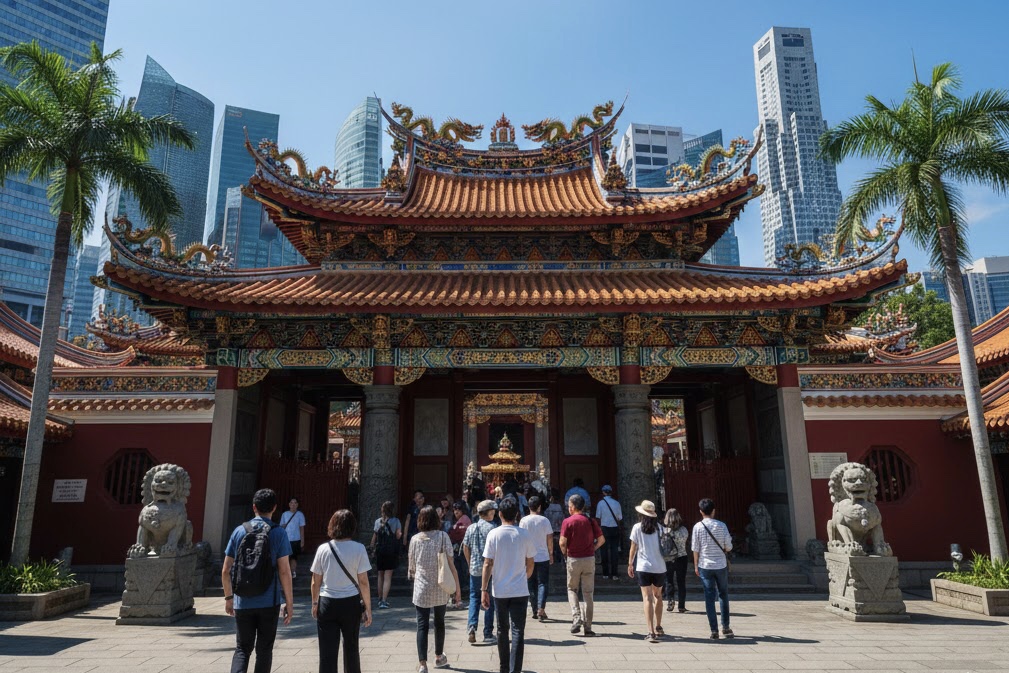
- One of Singapore’s oldest Chinese temples
- Built by early Hokkien immigrants
- Dedicated to Ma Zu, goddess of the sea
- Reflects the area’s maritime and immigrant history
6. Nagore Dargah Indian Muslim Heritage Centre (read more..)
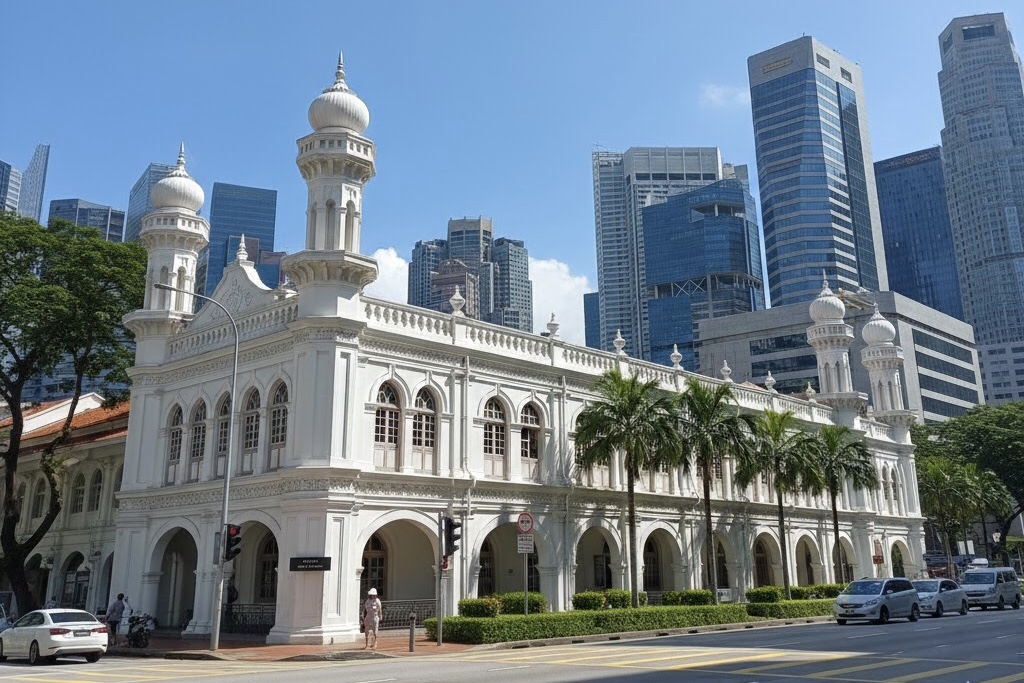
- Historic shrine built by Indian Muslim traders
- Represents multicultural trade roots
- Located near Telok Ayer Street
7. Telok Ayer Street
- One of Singapore’s oldest roads
- Lined with conserved shophouses
- Mix of:
- Heritage religious sites
- Modern cafés, wine bars, and restaurants
- Excellent contrast between old and new Singapore
🌳 GREEN & PUBLIC SPACES
8. Tanjong Pagar Railway Corridor (Nearby)
- Historic railway land repurposed for walking and leisure
- Symbol of Singapore’s urban transformation
9. Marina Bay Promenade (Short Walk)
- Waterfront walking paths
- Views of Marina Bay skyline
- Popular for jogging and evening strolls
🛍️ LIFESTYLE & DINING AREAS
10. Tanjong Pagar
- Dining and nightlife hub next to Shenton Way
- Known for:
- Korean restaurants
- Japanese dining
- Rooftop bars
- Cafés and bistros
- More active at night compared to Shenton Way itself
11. Amoy Street & Tras Street

- Dense cluster of food options
- Popular with office workers
- Mix of:
- Traditional eateries
- Modern Asian and Western cuisine
- Coffee shops and cocktail bars
🏨 HOTELS & RESIDENTIAL LANDMARKS
12. CBD Hotels
- Business-oriented luxury hotels
- Serves corporate travelers and conferences
- Close to Marina Bay and Raffles Place
13. High-End Residences
- Premium condominiums along Shenton Way
- Appeal to expatriates and professionals
- City living with immediate access to work and dining
🚶♂️ WALKING CONNECTIONS (APPROX.)
- Shenton Way → Lau Pa Sat: 2–5 minutes
- Shenton Way → Telok Ayer: 5–10 minutes
- Shenton Way → Marina Bay: 10–15 minutes
- Shenton Way → Tanjong Pagar: 10 minutes
🚇 ACCESSIBILITY
MRT Stations
- Downtown MRT
- Telok Ayer MRT
- Tanjong Pagar MRT
- Shenton Way MRT (Thomson–East Coast Line)
Transport
- Highly walkable
- Sheltered walkways
- Easy access to major expressways
🌅 BEST TIMES TO EXPERIENCE THE AREA
- Weekday lunch hours: vibrant, busy, energetic
- Evenings: quieter offices, lively food areas (Lau Pa Sat, Tanjong Pagar)
- Weekends: calm, great for walks and casual dining
📌 SUMMARY
District 2 (Shenton Way) offers:
- Singapore’s financial and economic core
- Iconic hawker culture at Lau Pa Sat
- Rich multicultural heritage streets nearby
- Seamless connection to Marina Bay and Tanjong Pagar
It’s ideal for:
- Business travelers
- Food lovers
- Urban explorers
- Visitors wanting to see modern Singapore alongside its roots
🌆 After-Work Evening Itinerary: Shenton Way → Lau Pa Sat → Marina Bay
Ideal timing: 6:00 PM – 10:00 PM
Best days: Monday–Friday
Vibe: Business energy → heritage food → waterfront skyline
🕕 6:00–6:30 PM | Start at Shenton Way (CBD Core)
What to Do
- Walk along Shenton Way as offices empty out
- Observe the shift from business rush to evening calm
- Appreciate the contrast of glass towers and street-level cafés
Why Start Here
- This is when the area feels most “alive” with after-work energy
- Good time to see Singapore’s business culture in action
🍜 6:30–7:45 PM | Dinner at Lau Pa Sat
Why Lau Pa Sat is Essential
- One of Singapore’s most iconic hawker centres
- Rare blend of Victorian architecture and CBD skyscrapers
- Serves both locals and office crowds
Must-Try Experiences
- Satay Street (Boon Tat Street)
- Opens in the evening
- Smoky grills, lively atmosphere
- Local classics:
- Chicken rice
- Char kway teow
- Laksa
- International stalls for variety
Tip
- Sit outdoors for the best atmosphere
- Order food from multiple stalls to share
🍹 7:45–8:30 PM | After-Dinner Drinks (Nearby)
Option 1: Telok Ayer / Amoy Street
- Short walk from Lau Pa Sat
- Known for:
- Cocktail bars
- Wine lounges
- Stylish cafés
- More relaxed and intimate
Option 2: Tanjong Pagar
- Slightly livelier nightlife
- Rooftop bars and modern pubs
- Popular with professionals and expats
🚶♂️ 8:30–9:15 PM | Walk to Marina Bay
Route
- From Lau Pa Sat → Fullerton area → Marina Bay Promenade
- Mostly flat, well-lit, and scenic
What You’ll See
- Illuminated skyscrapers
- Waterfront reflections
- Calm evening crowds
This walk is one of the best free experiences in Singapore.
🌉 9:15–9:45 PM | Marina Bay Night Stroll
Highlights
- Waterfront promenade
- Skyline views of Marina Bay Sands
- Gentle evening breeze
Optional Stops
- Sit by the bay
- Quiet conversation spots
- Light photography
🍸 9:45–10:30 PM | Nightcap Options
Option 1: Rooftop / Bay-View Lounges
- For skyline views and a refined atmosphere
- Ideal for conversations and winding down
Option 2: Return to Boat Quay
- If you want a livelier end to the night
- Riverside bars with late-night energy
🚇 Getting Home
MRT Stations Nearby
- Downtown MRT
- Marina Bay MRT
- Raffles Place MRT
- Shenton Way MRT
Taxi / Ride-Hailing
- Easily available in the area
- Short rides to most city locations
🧭 WALKING DISTANCES (Approx.)
- Shenton Way → Lau Pa Sat: 2–5 min
- Lau Pa Sat → Telok Ayer: 5–8 min
- Lau Pa Sat → Marina Bay: 10–15 min
- Marina Bay → Boat Quay: 15 min
🎯 WHO THIS ITINERARY IS FOR
✔ Office workers
✔ Business travelers
✔ First-time visitors
✔ Casual evenings (not clubbing-focused)
📌 SUMMARY
This route gives you:
- Singapore’s financial core
- Iconic hawker food
- Heritage streets
- World-class waterfront skyline
Chinatown & surroundings – places of interest
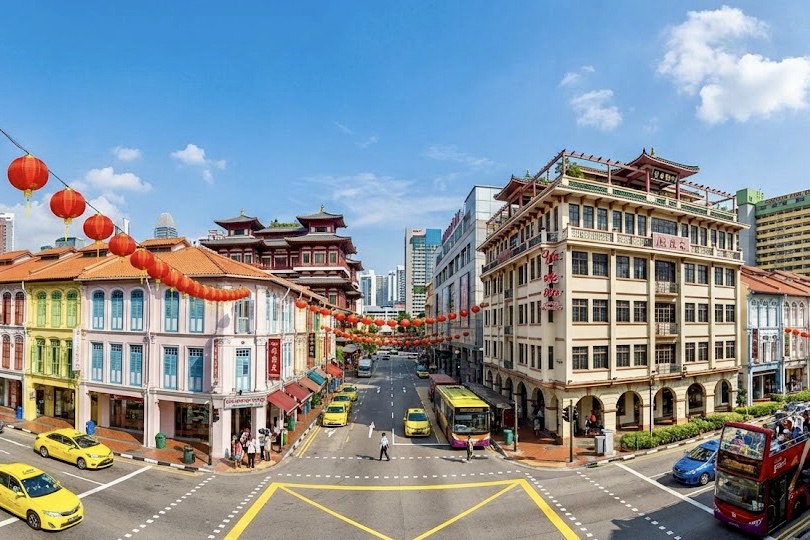
Chinatown is a neighborhood in Singapore that is known for its rich cultural heritage and history, as well as its bustling street markets, traditional shops, and delicious food. The area is home to many Chinese-style buildings, temples, and museums, such as the Sri Mariamman Temple, the oldest Hindu temple in Singapore. The Buddha Tooth Relic Temple is also located in Chinatown and is a popular tourist attraction. The neighborhood is also known for its street markets, such as the People’s Park Complex and the Chinatown Complex which are popular for shopping, especially for textiles, traditional Chinese medicine and souvenirs. Visitors can also find a variety of traditional Chinese street food and hawker centers in the area, such as the Maxwell Food Centre, which offers a wide variety of local Chinese dishes. Chinatown is a great place to experience the culture, history and food of Singapore’s Chinese community.
CHINATOWN — OVERVIEW
Chinatown is one of Singapore’s most culturally rich and historically significant neighborhoods. Located just southwest of the Central Business District, it reflects the lives of early Chinese immigrants who settled here in the 19th century. Today, Chinatown is a vibrant mix of heritage conservation, religious diversity, street markets, food culture, and modern lifestyle spaces.
🕰️ HISTORY & CULTURAL SIGNIFICANCE
- Chinatown developed as a residential and commercial area for early Chinese migrants
- Divided into dialect-based enclaves (Hokkien, Cantonese, Teochew, Hakka)
- Shophouses served dual purposes: business below, living quarters above
- Once densely populated with challenging living conditions
- Underwent conservation and revitalization from the 1980s onward
Today, it preserves its historical character while adapting to modern urban life.
🏛️ MAJOR RELIGIOUS & HERITAGE LANDMARKS
1. Sri Mariamman Temple (read more..)
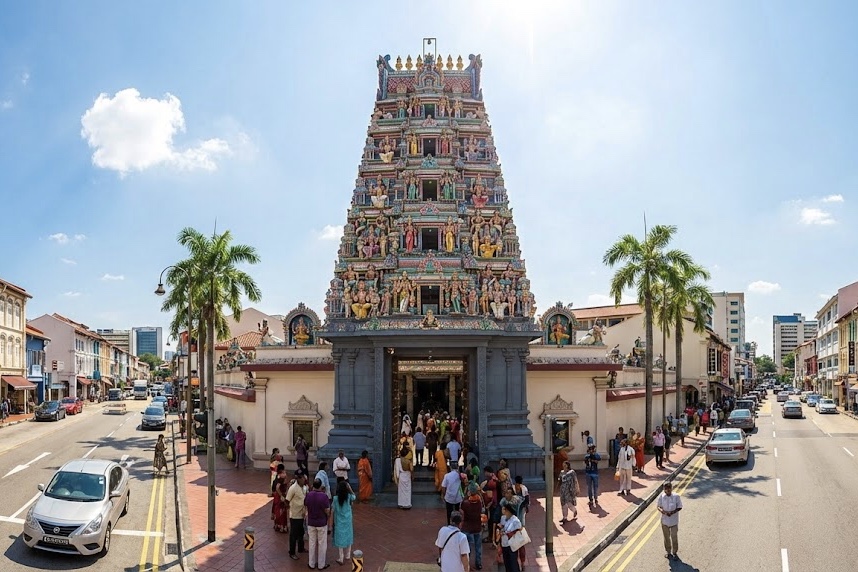
- Oldest Hindu temple in Singapore
- Dedicated to Goddess Mariamman
- Known for its colorful gopuram (tower)
- Still an active place of worship
- Symbol of religious coexistence in Chinatown
2. Buddha Tooth Relic Temple & Museum (read more..)
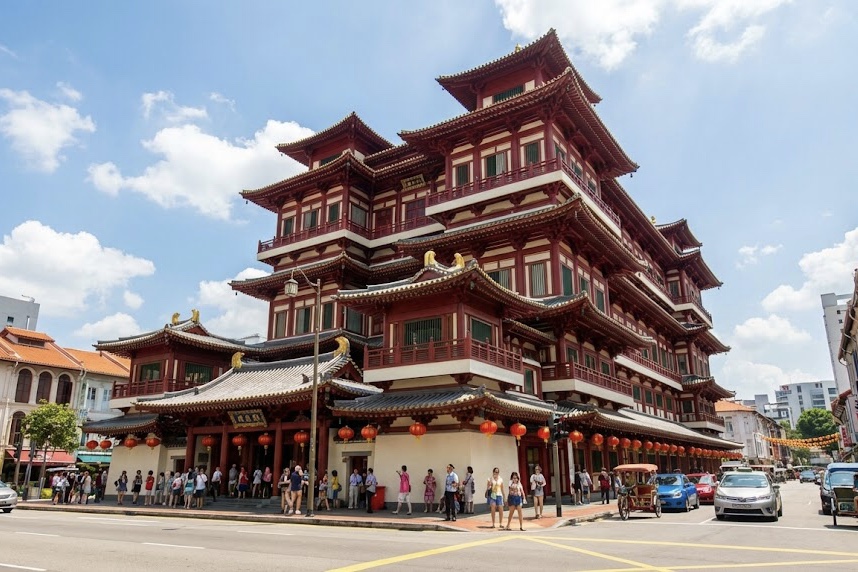
- Prominent Tang Dynasty–style temple
- Houses a sacred Buddha relic
- Includes a museum showcasing Buddhist art and history
- Rooftop garden and prayer wheel
- Major cultural and spiritual landmark
3. Thian Hock Keng Temple (Nearby)
- One of Singapore’s oldest Chinese temples
- Built by early Hokkien immigrants
- Dedicated to Ma Zu, Goddess of the Sea
- Represents gratitude for safe sea journeys
4. Chinatown Heritage Centre (read more..)
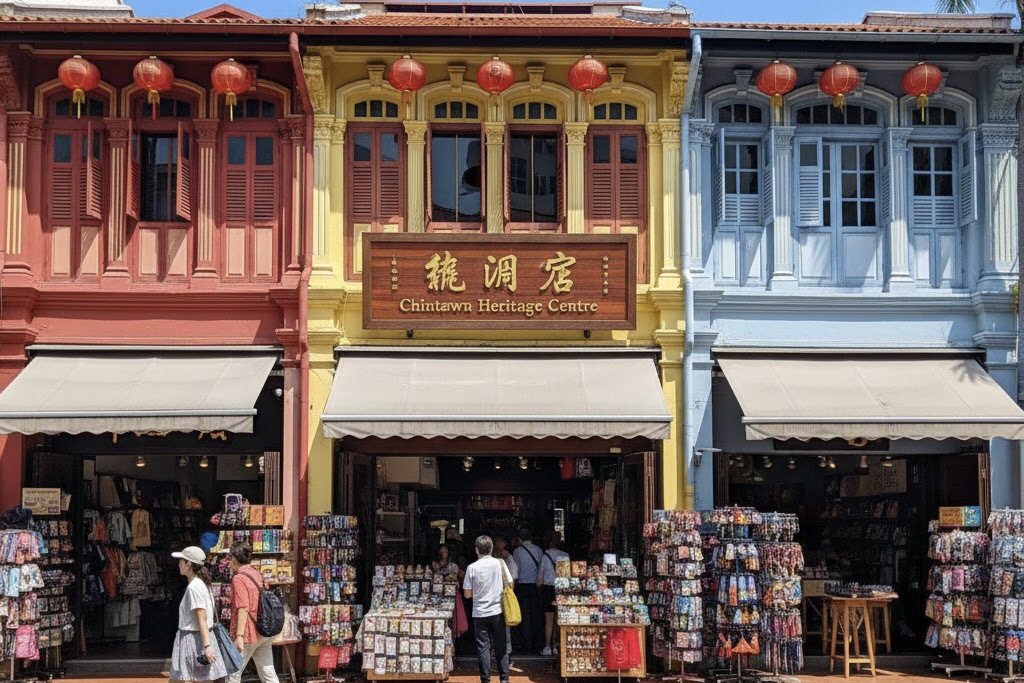
- Museum housed in restored shophouses
- Recreates early migrant living conditions
- Offers insight into daily life, struggles, and traditions
🏘️ ARCHITECTURE & STREETS
Conserved Shophouses
- Narrow façades, deep interiors
- Decorative tiles, wooden shutters
- Bright pastel colors
- Many now house cafés, boutiques, and galleries
Key Streets
- Pagoda Street
- Temple Street
- Smith Street
- Trengganu Street (pedestrianized heritage zone)
🛍️ MARKETS & SHOPPING AREAS
5. Chinatown Street Market
- Souvenirs, handicrafts, lanterns, textiles
- Traditional clothing and accessories
- Seasonal decorations (especially during Chinese New Year)
6. Chinatown Complex
- One of Singapore’s largest hawker centres
- Also includes wet market and retail stalls
- Popular for:
- Traditional Chinese medicine
- Herbs and dried goods
- Household items
7. People’s Park Complex

- Landmark shopping complex from the 1970s
- Known for:
- Gold shops
- Textile stores
- Tailors
- Budget shopping
- Architectural icon of early high-rise mixed-use development
🍜 FOOD & HAWKER CULTURE
8. Maxwell Food Centre

- One of Singapore’s most famous hawker centres
- Popular local Chinese dishes:
- Chicken rice
- Wanton noodles
- Fish soup
- Oyster omelette
- Busy during lunch hours
9. Chinatown Complex Food Centre

- Huge variety of affordable local dishes
- Michelin-recognized stalls
- Mix of Chinese, Malay, and Indian food
10. Street Food & Traditional Snacks
- Traditional pastries
- Roasted meats
- Dumplings
- Local desserts
🌆 MODERN CHINATOWN & NIGHT SCENE
- Trendy cafés and cocktail bars hidden in shophouses
- Art galleries and boutique hotels
- Rooftop bars with views of heritage streets
- Lively but more relaxed nightlife compared to Clarke Quay
🚶♂️ SURROUNDING ATTRACTIONS (WALKING DISTANCE)
- Telok Ayer Street – historic temples and modern cafés
- Tanjong Pagar – dining and nightlife district
- Duxton Hill & Ann Siang Hill – upscale dining and bars
- CBD / Raffles Place – modern financial district contrast
🚇 ACCESSIBILITY
MRT Stations
- Chinatown MRT
- Maxwell MRT
- Telok Ayer MRT
- Outram Park MRT
Walkability
- Highly walkable neighborhood
- Pedestrian-friendly streets
- Close to CBD and Marina Bay
🌟 BEST TIME TO VISIT
- Morning: Quiet streets, temple visits
- Afternoon: Shopping and museums
- Evening: Food, street lights, and nightlife
- Festive periods: Chinese New Year, Mid-Autumn Festival
📌 SUMMARY
Chinatown offers:
- Deep cultural and religious heritage
- Traditional markets and hawker food
- Conserved architecture
- Modern lifestyle spaces
- Multicultural harmony
It is ideal for:
- Cultural exploration
- Food lovers
- Heritage walks
- First-time visitors
🚶♂️ Chinatown Heritage Walking Trail (2.5–4 Hours)
Start point: Chinatown MRT
End point: Maxwell Food Centre / Tanjong Pagar
Pace: Leisurely
Best time: Morning to early evening
🕘 STOP 1: Chinatown MRT & Pagoda Street (20–30 mins)
What to See
- Exit Chinatown MRT toward Pagoda Street
- One of Chinatown’s most iconic streets
- Souvenir shops, lanterns, traditional décor
Cultural Insight
- Pagoda Street was once a residential and commercial hub for early Chinese immigrants
- Today, it represents Chinatown’s preserved heritage zone
🏛️ STOP 2: Sri Mariamman Temple (15–20 mins)
Why It’s Important
- Singapore’s oldest Hindu temple
- Dedicated to Goddess Mariamman
- Known for its vibrant, intricately carved gopuram
Tip
- Dress modestly
- Remove shoes before entering
- Morning visits are quieter
🛕 STOP 3: Buddha Tooth Relic Temple & Museum (30–45 mins)
Highlights
- Tang Dynasty–style architecture
- Sacred Buddha relic
- Buddhist museum galleries
- Rooftop garden and prayer wheels
Why Visit
- Spiritual centerpiece of Chinatown
- Strong contrast to surrounding street markets
🏘️ STOP 4: Chinatown Heritage Centre (Optional, 30 mins)
What You’ll Learn
- Living conditions of early migrants
- Personal stories and reconstructed rooms
- Social history of Chinatown’s communities
🛍️ STOP 5: Chinatown Street Market (30 mins)
Streets to Explore
- Temple Street
- Smith Street
- Trengganu Street (pedestrian-only)
What to Buy
- Traditional crafts
- Chinese tea and herbs
- Textiles and souvenirs
🍜 STOP 6: Chinatown Complex (45–60 mins)
Why It’s Special
- One of Singapore’s largest hawker centres
- Also houses a wet market and retail stalls
Food to Try
- Roast meats
- Noodles and dumplings
- Traditional desserts
Bonus
- Browse upper-level shops selling traditional medicine and dried goods
🍗 STOP 7: Maxwell Food Centre (Lunch or Dinner, 45–60 mins)
Why End Here
- One of Singapore’s most famous hawker centres
- Close to CBD and Tanjong Pagar
Popular Dishes
- Chicken rice
- Fish soup
- Oyster omelette
- Local desserts
🌆 OPTIONAL EXTENSIONS
🏮 Option A: Telok Ayer Heritage Walk (30 mins)
- Thian Hock Keng Temple
- Nagore Dargah
- Early migrant landmarks
🍷 Option B: Ann Siang Hill & Duxton Hill
- Upscale dining and bars
- Restored shophouses
- Evening drinks and dinner
🚇 GETTING AROUND
MRT Stations Nearby
- Chinatown MRT (Start)
- Maxwell MRT
- Telok Ayer MRT
- Outram Park MRT
🌟 BEST TIMES & TIPS
- Morning: Temples, museums, quiet streets
- Afternoon: Markets and shopping
- Evening: Food and nightlife
Practical Tips
- Wear comfortable walking shoes
- Bring cash for hawker stalls
- Stay hydrated
- Respect temple etiquette
📌 SUMMARY
This walking trail offers:
- Religious diversity
- Immigrant history
- Street markets
- Iconic hawker food
- Seamless transition from heritage to modern Singapore
Tanjong Pagar & surroundings – places of interest
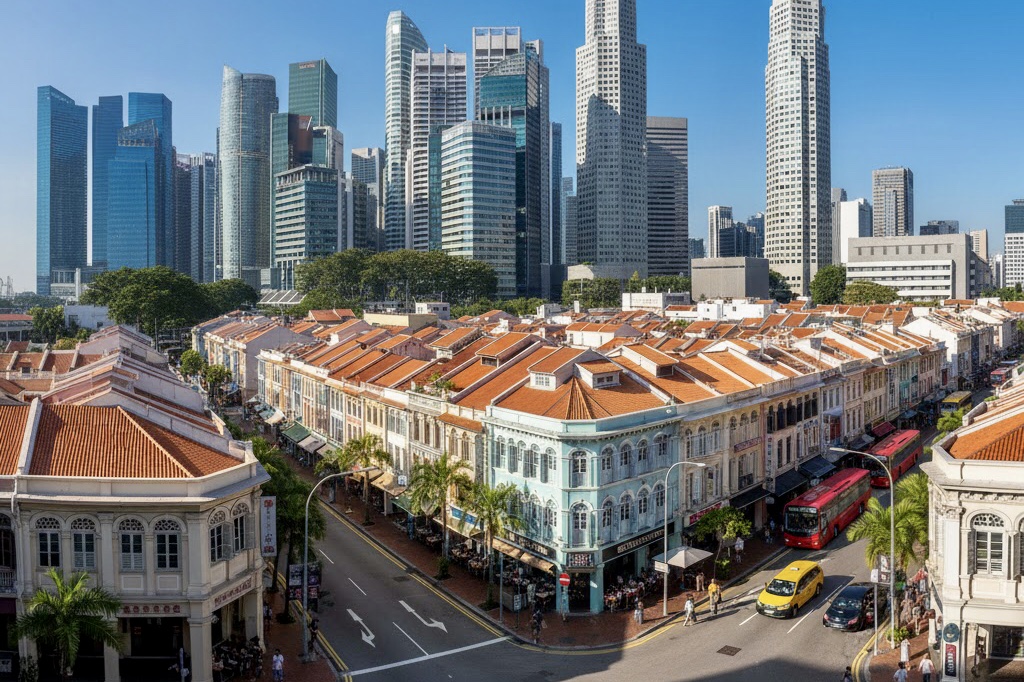
Tanjong Pagar is a district in Singapore that is known for its historic architecture, trendy restaurants and bars, and proximity to the Central Business District (CBD). The area is home to many restored pre-war shophouses and buildings, which have been converted into trendy cafes, bars, and restaurants. Many of these buildings have retained their original architectural features, such as ornate facades and shuttered windows, giving the area a unique and charming character. Tanjong Pagar is also a popular spot for nightlife and entertainment, with many bars and clubs located in the area. The district is also home to the Tanjong Pagar railway station, which was once the southern terminus of the Malayan Railway. (The station is now closed) and turned into a heritage center, preserving the history of the railway in Singapore. Tanjong Pagar is a great spot for visitors interested in experiencing Singapore’s rich history and culture, as well as for those looking for a vibrant nightlife scene.
TANJONG PAGAR — OVERVIEW
Tanjong Pagar sits at the southern edge of Singapore’s Central Business District and acts as a bridge between the modern CBD and historic Chinatown. It is known for its conserved shophouses, railway heritage, vibrant dining scene, and lively nightlife, making it one of Singapore’s most character-rich urban districts.
🕰️ HISTORICAL & HERITAGE ATTRACTIONS
1. Tanjong Pagar Railway Station (Heritage Centre) – Closed for renovation til 2028
- Former southern terminus of the Malayan Railway
- Opened in 1932 and closed in 2011
- Art Deco architectural style
- Preserved waiting halls, ticket counters, and murals
- Important symbol of Singapore’s pre-independence transport history
2. Conserved Shophouses
- Pre-war buildings with:
- Ornate facades
- Timber shutters
- Five-foot ways (covered walkways)
- Now house cafés, restaurants, galleries, and boutique hotels
- Found along Tanjong Pagar Road, Duxton Road, and Tras Street
🍽️ FOOD & DINING HUBS
3. Tanjong Pagar Road
- Dense cluster of dining options
- Famous for:
- Korean BBQ and Korean restaurants
- Japanese dining and izakayas
- Casual bistros and dessert cafés
- Active from lunchtime until late night
4. Duxton Hill
- Upscale dining enclave
- Fine dining, wine bars, and craft cocktail lounges
- Popular for date nights and special occasions
- Retains residential charm with conserved shophouses
5. Tras Street
- Trendy cafés, casual dining, and bars
- More relaxed than Duxton Hill
- Popular with office workers after hours
🌃 NIGHTLIFE & ENTERTAINMENT
6. Bars & Nightspots
- Rooftop bars
- Cocktail lounges
- Late-night pubs
- Generally more sophisticated and intimate compared to Clarke Quay
Nightlife Vibe
- Busy after office hours
- Lively on weekends
- Popular with professionals and expatriates
🌿 GREEN & OUTDOOR SPACES
7. Duxton Plain Park
- Small but historic open space
- One of Singapore’s earliest public housing sites
- Quiet contrast to surrounding nightlife
8. Pinnacle@Duxton Skybridge (Nearby)
- Public-access sky garden
- Panoramic views of:
- Tanjong Pagar
- CBD skyline
- Southern waterfront
- A unique urban viewing experience
🏙️ SURROUNDING DISTRICTS (WALKING DISTANCE)
9. Chinatown
- Heritage temples and markets
- Hawker centres and street shopping
- 10–15 minute walk
10. Telok Ayer
- Historic street with religious landmarks
- Cafés, wine bars, and heritage buildings
- 10-minute walk
11. Shenton Way / CBD
- Financial district
- Lau Pa Sat hawker centre
- 10-minute walk
12. Keppel & Southern Waterfront (Short Ride)
- Marina and port views
- Ongoing waterfront redevelopment
- Future lifestyle and leisure district
🚇 ACCESSIBILITY
MRT Stations
- Tanjong Pagar MRT
- Maxwell MRT
- Outram Park MRT
Walkability
- Highly walkable
- Flat terrain
- Excellent pedestrian connectivity
🌅 BEST TIMES TO VISIT
- Morning: Quiet heritage walks
- Afternoon: Cafés and shopping
- Evening: Dining and nightlife
- Weekends: Lively but relaxed atmosphere
📌 SUMMARY
Tanjong Pagar offers:
- Strong railway and architectural heritage
- One of Singapore’s best dining districts
- Upscale yet relaxed nightlife
- Seamless access to CBD and Chinatown
It’s ideal for:
- Food lovers
- Nightlife seekers
- Urban explorers
- Visitors who enjoy history mixed with modern lifestyle
🌇 TANJONG PAGAR EVENING ITINERARY (4–6 HOURS)
5:30–6:30 PM | Heritage Walk & Sunset
Start: Tanjong Pagar MRT
- Walk towards Tanjong Pagar Railway Station Heritage Centre
- Admire the Art Deco façade
- Learn about Singapore’s rail history
- Continue strolling along:
- Tanjong Pagar Road
- Tras Street
- Observe conserved shophouses transitioning from office calm to evening buzz
Why this time: Cooler weather and golden-hour light enhance the historic streets.
6:30–7:45 PM | Dinner
Choose one dining style based on mood:
🍽️ Option A: Casual & Lively
- Korean BBQ or Japanese dining along Tanjong Pagar Road
- Ideal for group meals and energetic atmosphere
🍷 Option B: Refined & Intimate
- Head up to Duxton Hill
- Fine dining, modern Asian cuisine, or European bistros
- Perfect for couples or special occasions
8:00–8:30 PM | Post-Dinner Walk
- Walk through Duxton Road
- Enjoy:
- Soft street lighting
- Conserved architecture
- Quiet pockets contrasting with nearby nightlife
- Optional short rest at Duxton Plain Park
8:45–9:30 PM | Drinks with Character
Pick your vibe:
🍸 Cocktail Lounge
- Craft cocktails in restored shophouses
- Calm, stylish ambiance
🍺 Wine Bar / Pub
- Casual drinks
- Lively crowd of locals and expats
9:45–10:30 PM | Skyline Views
Pinnacle@Duxton Skybridge
- Take the lift to the public sky garden
- Views include:
- CBD skyscrapers
- Port and southern waterfront
- Night-lit cityscape
Tip: Bring cash or card for entry and arrive before closing hours.
Optional Late-Night Extension
- Walk towards Maxwell Road
- Visit:
- Maxwell Food Centre for late supper
- Telok Ayer bars for quieter drinks
⭐ WHO THIS ITINERARY IS BEST FOR
- First-time visitors
- Food and cocktail lovers
- Couples
- Urban explorers
- Business travelers staying in CBD
📌 QUICK TIPS
- Weekdays: Lively after 6 PM
- Fridays & Saturdays: Best atmosphere
- Dress code: Smart casual
- Very walkable—no transport needed


